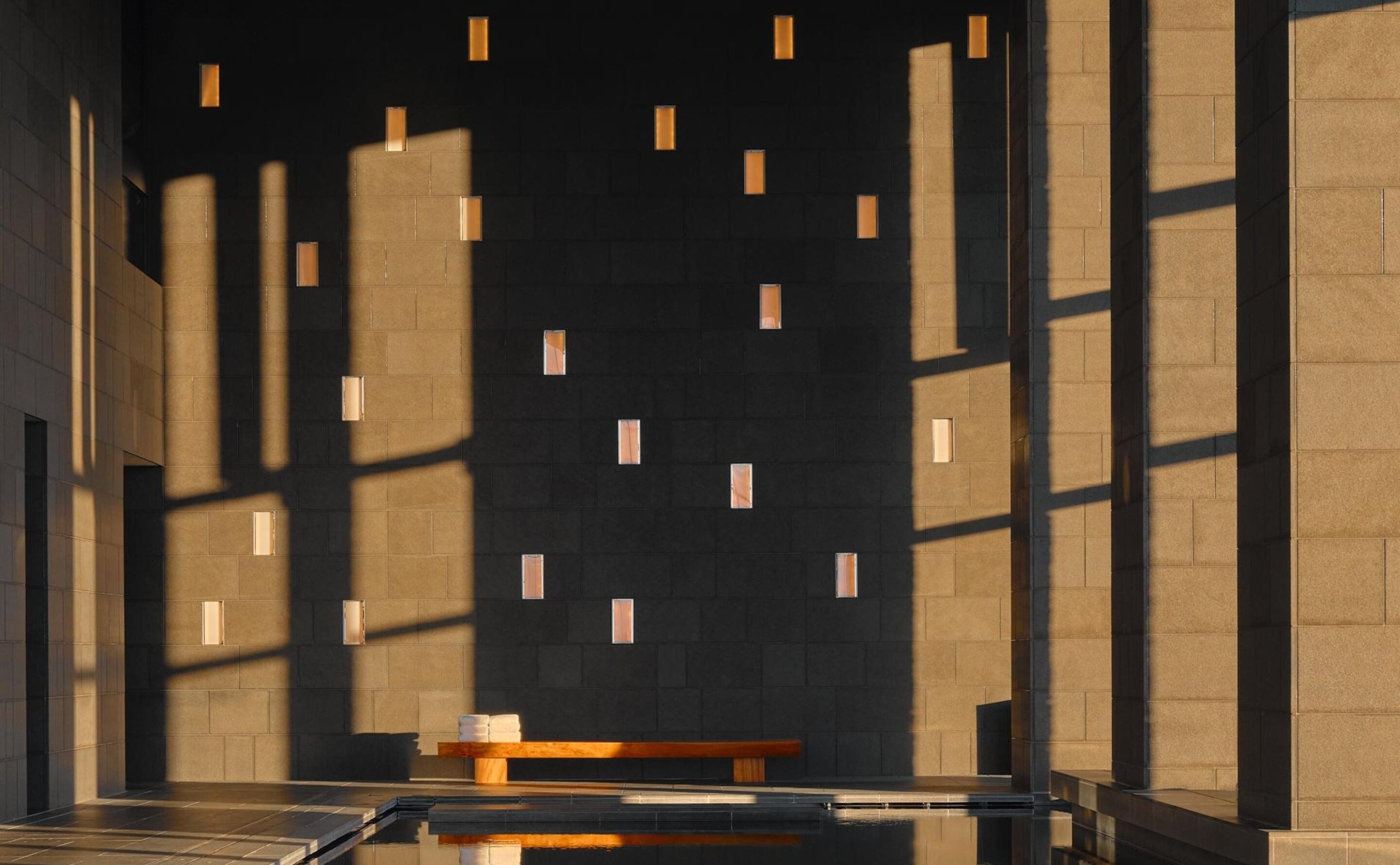
Aman Tokyo
The city hotel that taught Aman how to do urban.
Location: Otemachi, Tokyo, Japan
Brand: Aman
Best For: Couples · Business Travelers · Japan First-Timers
Ideal Stay: 2–3 nights
Published: February 26, 2026
60-Second Summary
Service + space + location. Aman's only urban hotel. 84 all-suite property on floors 33–38 of the Otemachi Tower. The largest entry-level rooms in Tokyo. Service that borders on telepathic. Connected to five subway lines and walking distance to Tokyo Station.
Couples: Deluxe Suite or Tokyo Suite, 2–3 nights.
Business: Deluxe Suite. The connectivity and service justify it over any business hotel.
Japan circuit: Build this into a multi-stop Aman Japan itinerary with Amanemu and Aman Kyoto.
The Verdict
Aman Tokyo was the best city hotel in Tokyo for nearly a decade. Whether it still holds that title depends on what you value. Bulgari Tokyo (opened 2023) now offers a fresher hard product, better outdoor spaces, and more visual polish. But Aman's service remains in a different category entirely, the lobby is still unmatched anywhere in the world, and the rooms are the most spacious in the city by a wide margin.
The tradeoff is age. This is a decade-old property competing against brand-new builds. Nothing is falling apart, but the rooms feel more austere than luxurious to some guests now. The living areas in the larger suites have too much volume and not enough warmth. If you prioritize design and novelty, Bulgari wins. If you prioritize service, calm, and a sense of Japan, Aman wins.
Most of my Tokyo bookings here are either couples using it as the city anchor of a broader Japan trip, or business travelers who want something meaningfully better than a Four Seasons or Peninsula without feeling like they're in a resort. It pairs exceptionally well with Aman Kyoto and Amanemu for a multi-property Japan circuit.
Why is this still one of the top hotels in Tokyo after a decade?
The lobby and the service.
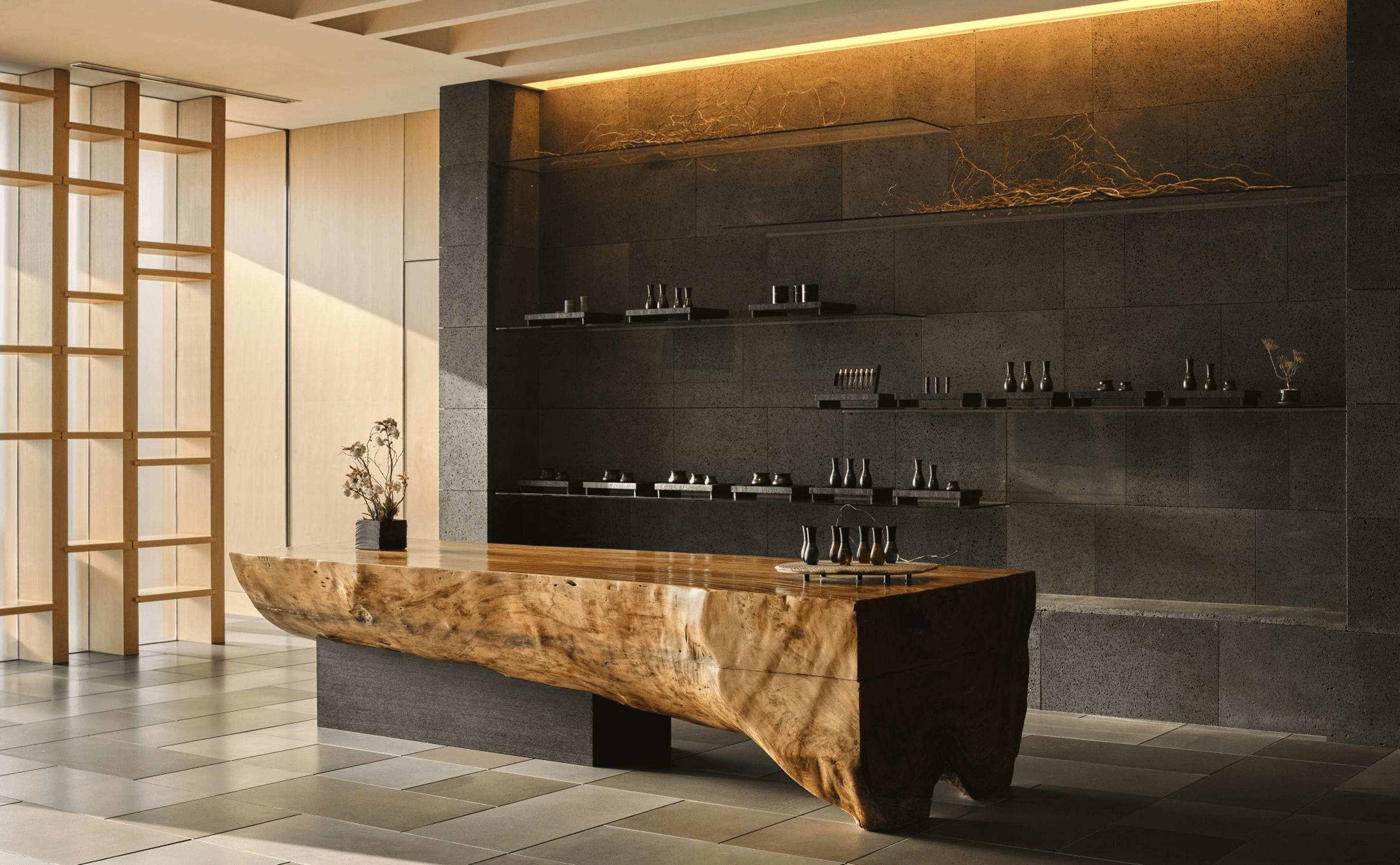
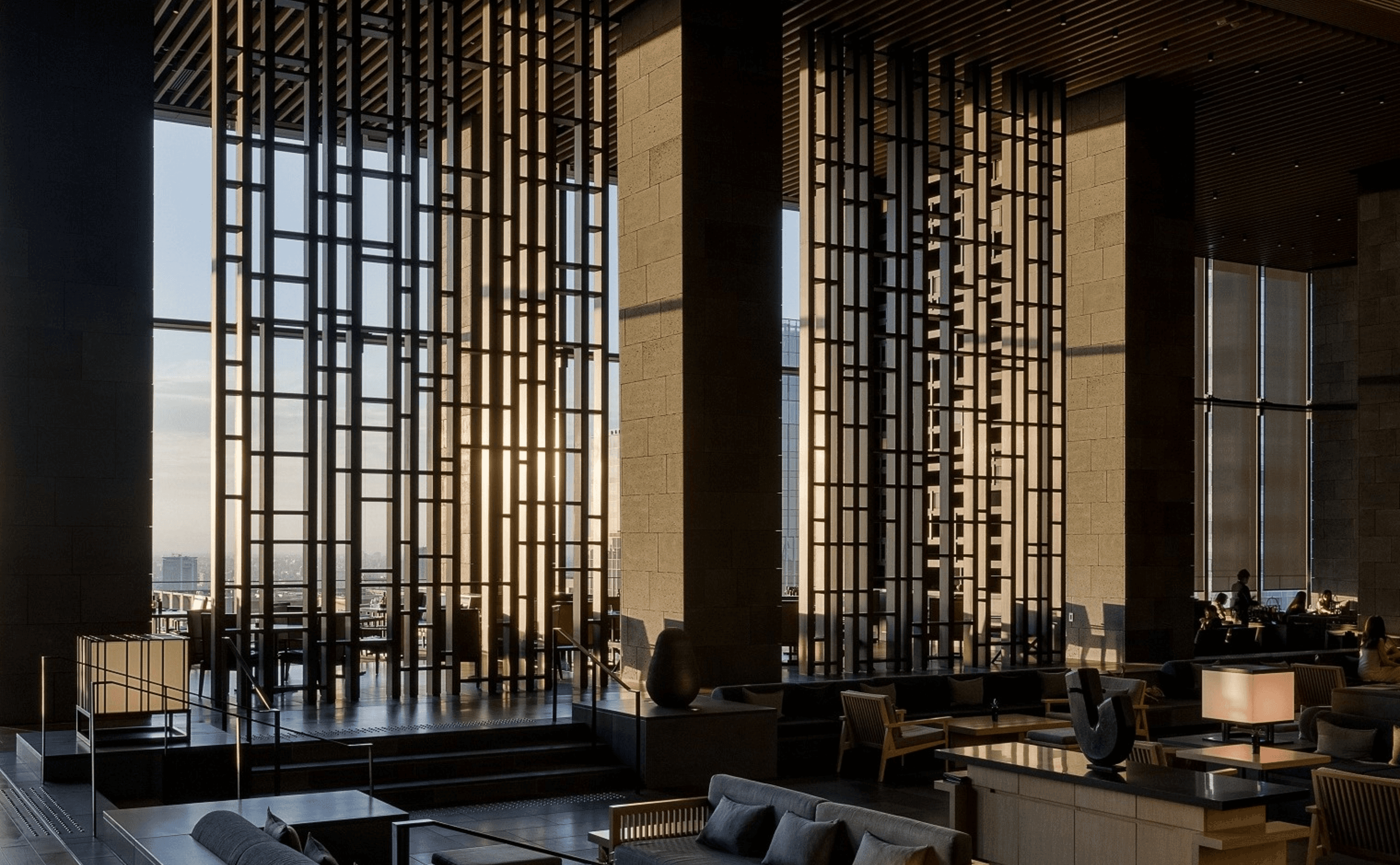
The lobby has 30-meter ceilings, translucent washi paper walls, reflective water features, and ikebana installations that change seasonally. It has not been replicated by any hotel anywhere. Walking in still feels like entering a space that shouldn't exist inside a commercial tower.
The service is Aman's Japanese operation at full strength: staff who remember your name after one interaction, room cleaning that happens so fast it feels staged, no need to sign for anything (you say your room number and walk away). Multiple repeat guests describe the service as the best they've experienced at any hotel globally.
Which room should I book?
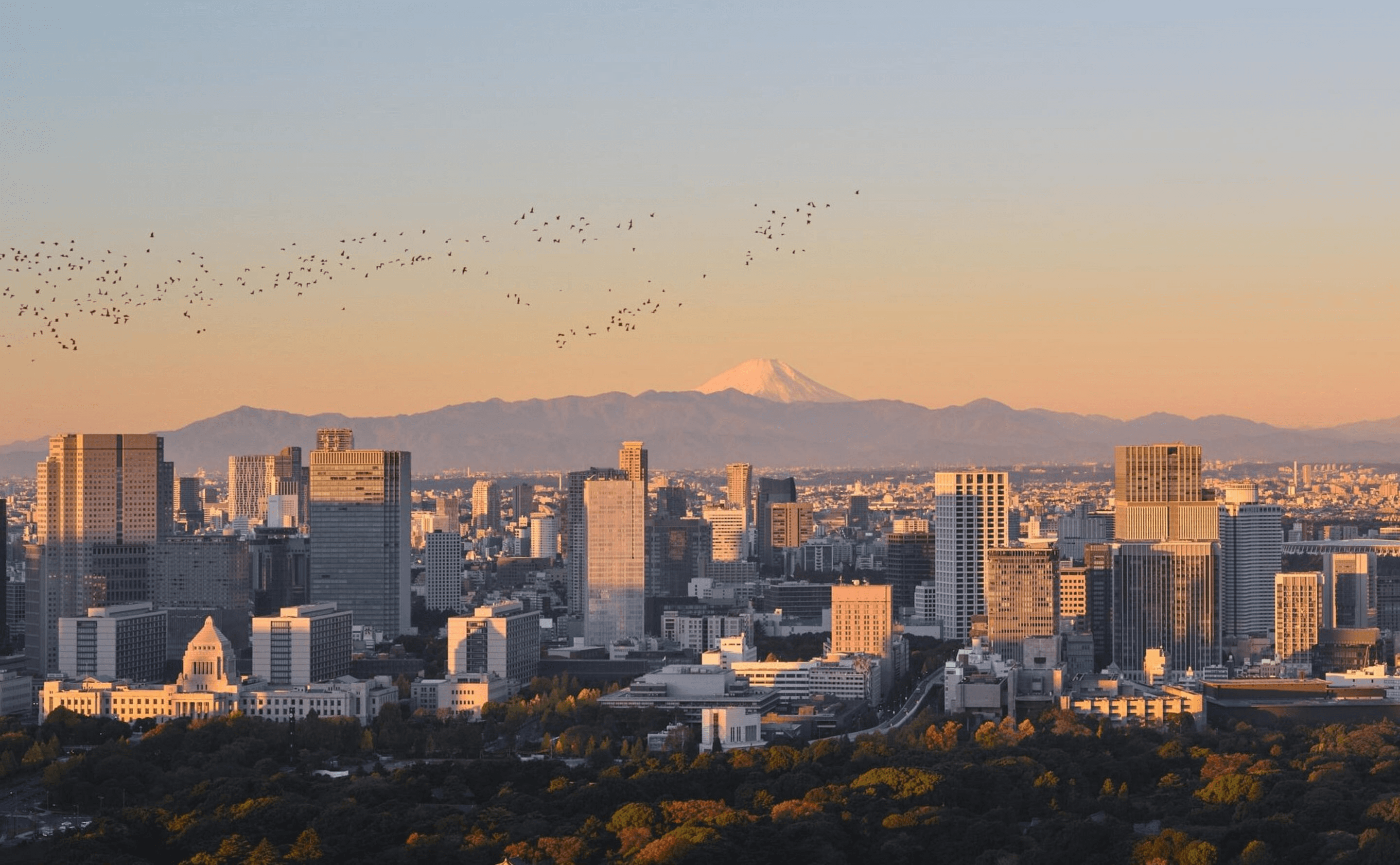
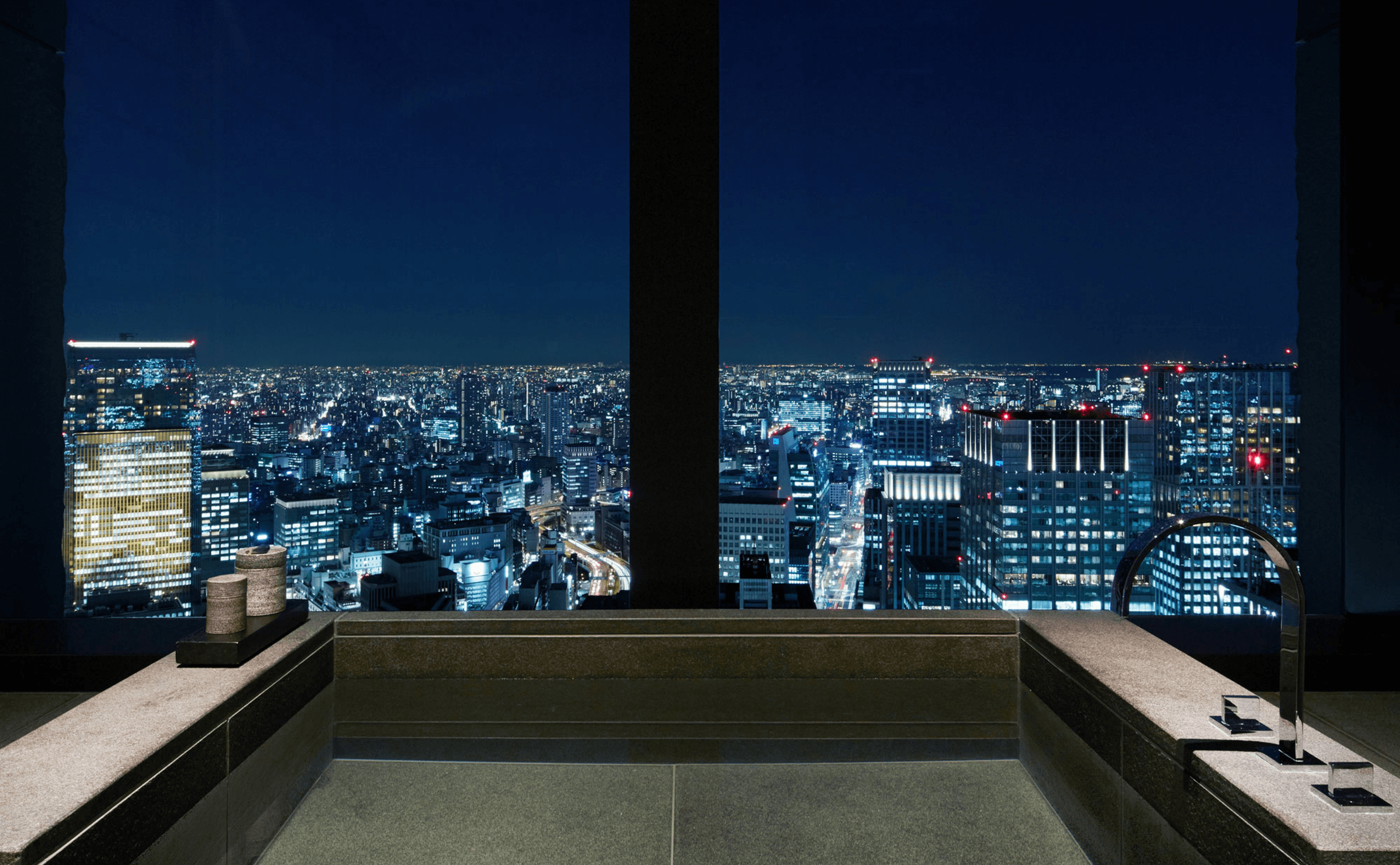
For most stays, the Deluxe Suite. At 71 square meters it is already larger than most luxury suites in Tokyo. West-facing, with sunset views over the Imperial Palace Gardens and, on clear days, Mount Fuji. The furo stone soaking tub with city views is one of the best hotel bathroom experiences in Japan. The Garden View Suite is the same size but sits on the 38th floor (the highest) with premium views of the palace grounds. Worth requesting if available.
The Tokyo Suite (77 sqm, east-facing) adds a bit more space and city skyline views. But the real jump is to the Signature Suites: the City Suite (121 sqm) adds a separate living and dining room with wrap-around glass. That's where the stay starts to feel like a private apartment rather than a hotel room.
I'd start with a Deluxe Suite through Virtuoso. The upgrade on arrival can move you into a Garden View or Tokyo Suite, and that's a meaningful improvement for no additional cost.
Is the Bulgari better now?
Different, not universally better.
Bulgari Tokyo opened in 2023. It's newer, shinier, and has outdoor terraces and a hydrotherapy pool that Aman never built. The design feels more indulgent. But it has almost no sense of Japan. You could be in any global Bulgari property. Aman Tokyo is unmistakably Japanese.
The honest split: Bulgari for a better hard product. Aman for better service, better food (particularly in-room dining), and a stronger sense of place. If you've never been to Tokyo, Aman is the right choice. If you've done Aman before and want something new, Bulgari is worth trying.
How is the food?
Stronger than most luxury hotels in the city, but you're in Tokyo. The competition is the city itself.
Arva is the main restaurant: seasonal Italian with a Japanese sensibility. The chef, Masakazu Hiraki, trained for 13 years in Venice. Lunch is a genuine value (3 courses for around 9,000 yen). Dinner is good but polarizing on price. Musashi is an intimate 8-seat omakase counter. The fish quality is excellent. Some guests find the rice divisive. It's very good but not top-tier Tokyo omakase.
The Lounge does all-day dining, afternoon tea, and cocktails in the lobby space. La Patisserie (basement level) is Aman's first bakery concept and worth a visit.
For multi-night stays, eat in the hotel once or twice and spend the rest exploring Tokyo's restaurants. That's not a criticism of the hotel. It's the nature of the city.
How is the spa and pool?
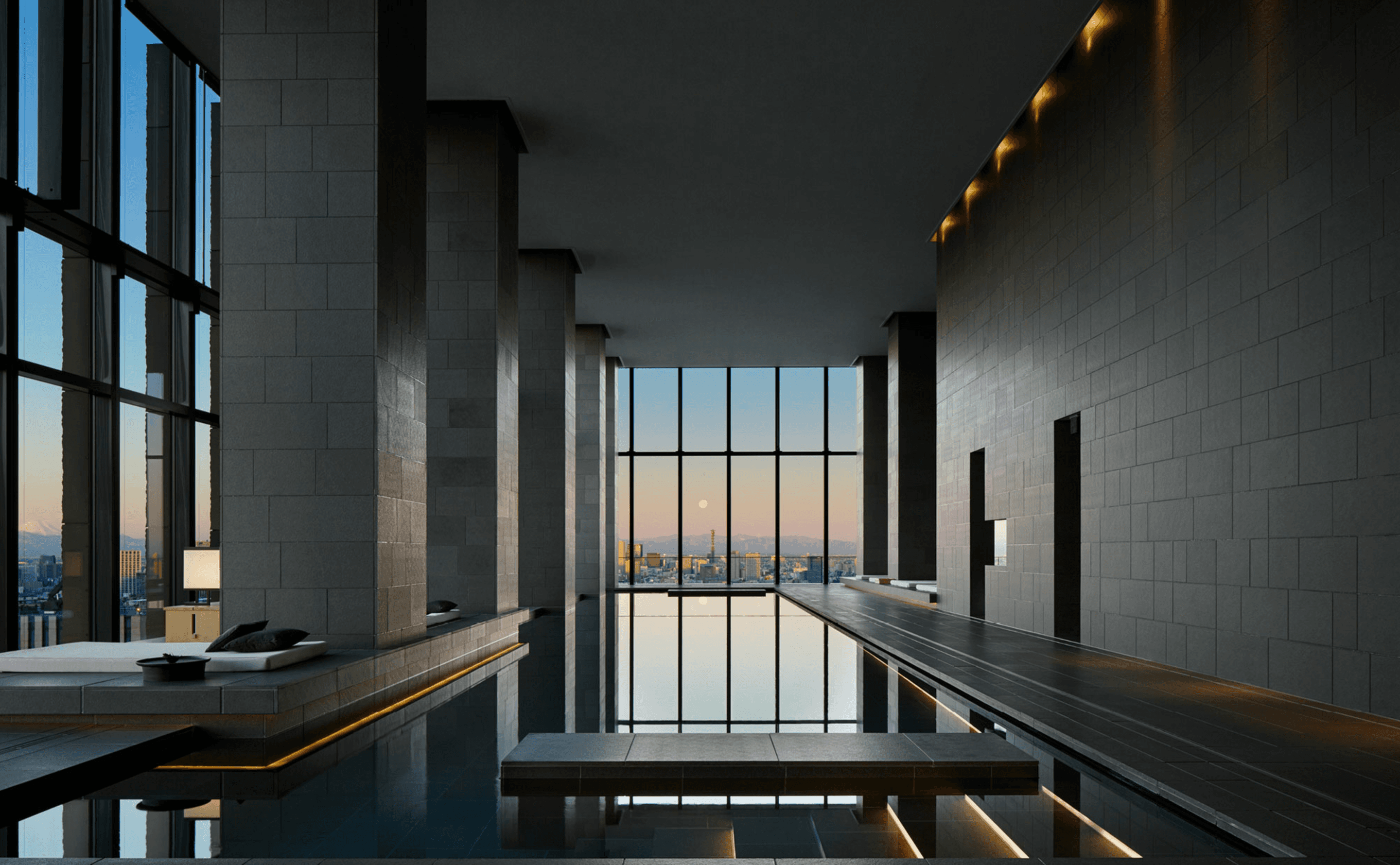
The pool is a showstopper. 30 meters long, lined with black basalt, with light streaming through floor-to-ceiling glass walls. On clear mornings, you can see Mount Fuji from the pool. It's one of the most photographed hotel pools in Asia for a reason.
The spa spans two floors and incorporates traditional Japanese bathing (onsen-style hot baths, steam rooms). Treatments draw from kampo herbal medicine and seasonal ingredients. The gym has been refreshed with current TechnoGym equipment. Complimentary yoga and Pilates classes are offered.
One note: the men's onsen has a strict no-swimwear policy. Worth knowing in advance.
Can I work from here?
This is one of the best work-from-hotel setups in Tokyo.
The Otemachi Tower location puts you in the financial district. Five subway lines are directly connected to the building. Tokyo Station (Shinkansen access) is a short walk. WiFi is fast and reliable throughout. The rooms have proper desk setups, and the lobby lounge is a perfectly acceptable place to take a call or read between meetings.
How does the location work for exploring Tokyo?
Better than you'd expect from a financial district address.
Otemachi is central and connected. Ginza is walkable. The Imperial Palace Gardens are at your doorstep. The five-line subway connection means anywhere in Tokyo is reachable without transfers or long rides. Tokyo Station is close enough to walk to, which matters for day trips to Kyoto or Hakone via Shinkansen.
The neighborhood itself is quiet at night. That's a feature if you want calm after a day of exploring, and a limitation if you want to walk out and be in the energy of Shibuya or Shinjuku. The hotel arranges car service for evening outings.
When should I go?
Late March through mid-April: cherry blossom season. The Imperial Palace Gardens are steps away. This is peak demand, so book months ahead.
October through November: pleasant weather, autumn foliage, fewer crowds than spring.
I'd avoid mid-June through mid-July (rainy season) and August (extremely humid). The hotel is comfortable year-round but Tokyo itself is challenging in summer heat.
How long should I stay?
2–3 nights for Tokyo, then move on.
Tokyo deserves more time than that, but Aman's pricing means most clients use it as a high-quality city base rather than an extended stay. If you're spending a week in Tokyo, 2–3 nights here and then switch to a different neighborhood (Janu Tokyo in Roppongi, or a ryokan experience) keeps the trip interesting.
How does this compare to other luxury hotels in Tokyo?
More spacious than the Peninsula or Mandarin Oriental. More Japanese than Bulgari. More polished than Hoshinoya Tokyo. More serene than Janu (Aman's own sister brand, which is designed to be social).
Aman Tokyo is the choice when you want the highest service floor in the city, the largest rooms, and a design that feels rooted in Japan rather than imported from elsewhere.
What's the Aman Japan circuit?
Aman Tokyo, Aman Kyoto, and Amanemu (Ise-Shima). Three properties, three completely different experiences: urban, forest, coastal onsen. It's one of the strongest multi-property itineraries in the Aman portfolio and the way I'd structure a first luxury trip to Japan.
The sequencing matters. I'd typically place Tokyo first or last depending on flight routing, Kyoto in the middle, and Amanemu as the decompression finish. The more I know about how you travel, the tighter I can build this.
For clients doing Japan for the first time, the Aman three-property circuit is the cleanest way to see the country without logistics headaches. Each property handles the next transfer. You just show up.
What changes when I book this through Compound?
Virtuoso rate (same price as booking direct) plus upgrade on arrival, daily breakfast for two, $100 USD food and beverage credit, early check-in, late checkout.
The upgrade is the most valuable piece. Moving from a Deluxe Suite to a Garden View or Tokyo Suite on arrival is a meaningful improvement in how the stay feels. I handle the request and pre-arrival communication so the hotel knows your preferences before you land.
What's a good trip to build around this?
Tokyo works as the anchor of almost any Japan itinerary.
For the full Aman circuit: Aman Tokyo (2–3 nights), Aman Kyoto (2–3 nights), Amanemu (2–3 nights). For a mixed-brand trip: Aman Tokyo, then a ryokan in Hakone or the Iya Valley, then a beach finish in Okinawa or Niseko in winter.
If Tokyo is a stopover: 2 nights here, then onward to Southeast Asia (Amanoi, Amansara, Amanpuri). Tokyo is a natural gateway for the region.
If this is you, book with me
If you're leaning Aman Tokyo, you can book with me (complimentary). I'll confirm the right room category, handle Virtuoso enrollment, communicate your preferences to the property, and structure how Tokyo fits into the broader trip.
No-fee Booking: Become a Client
If not this, email me
If you want Tokyo but aren't sure Aman is the right fit (or if Bulgari, Janu, or a different style might suit you better), reach out and I'll help you sort it.